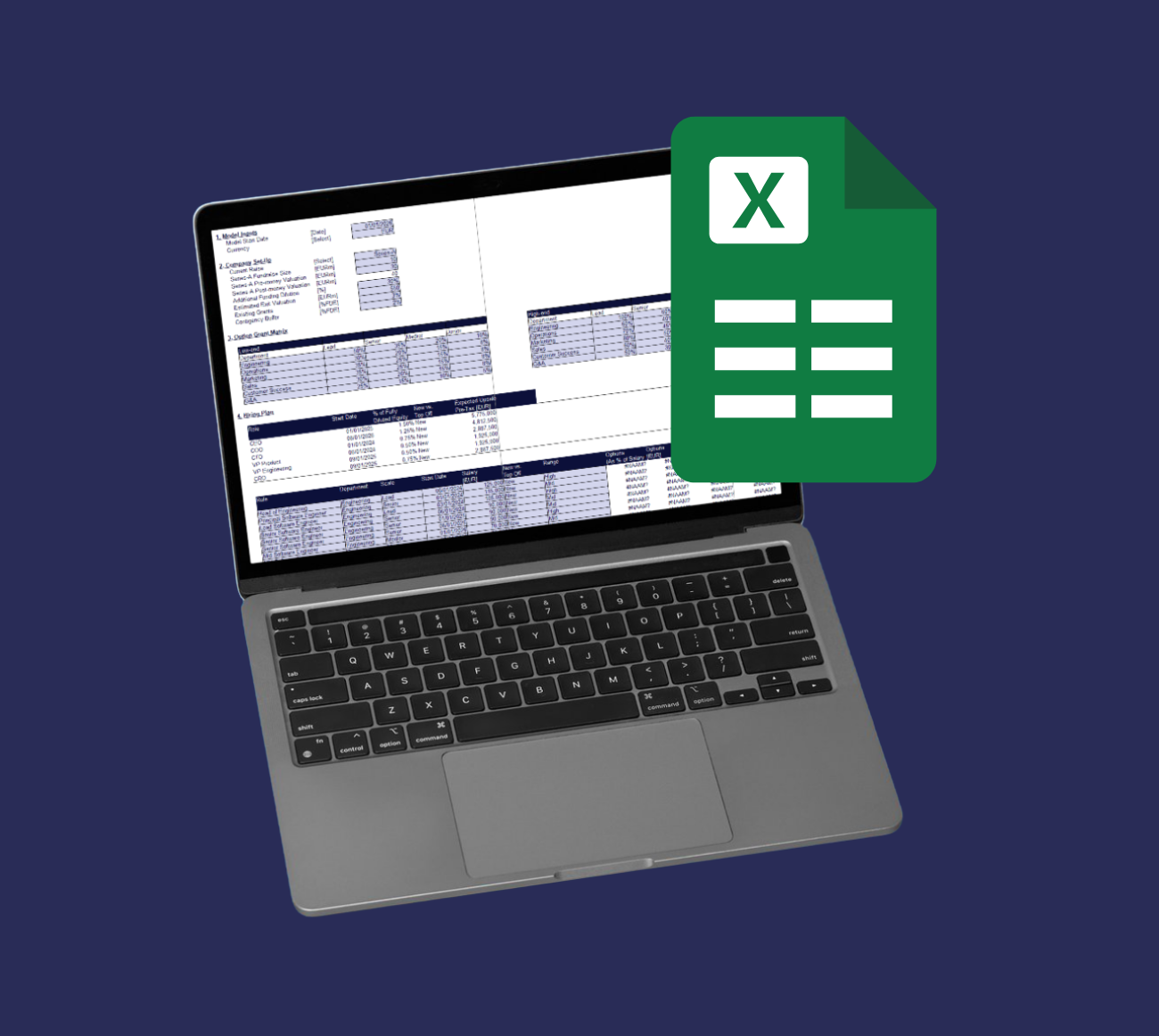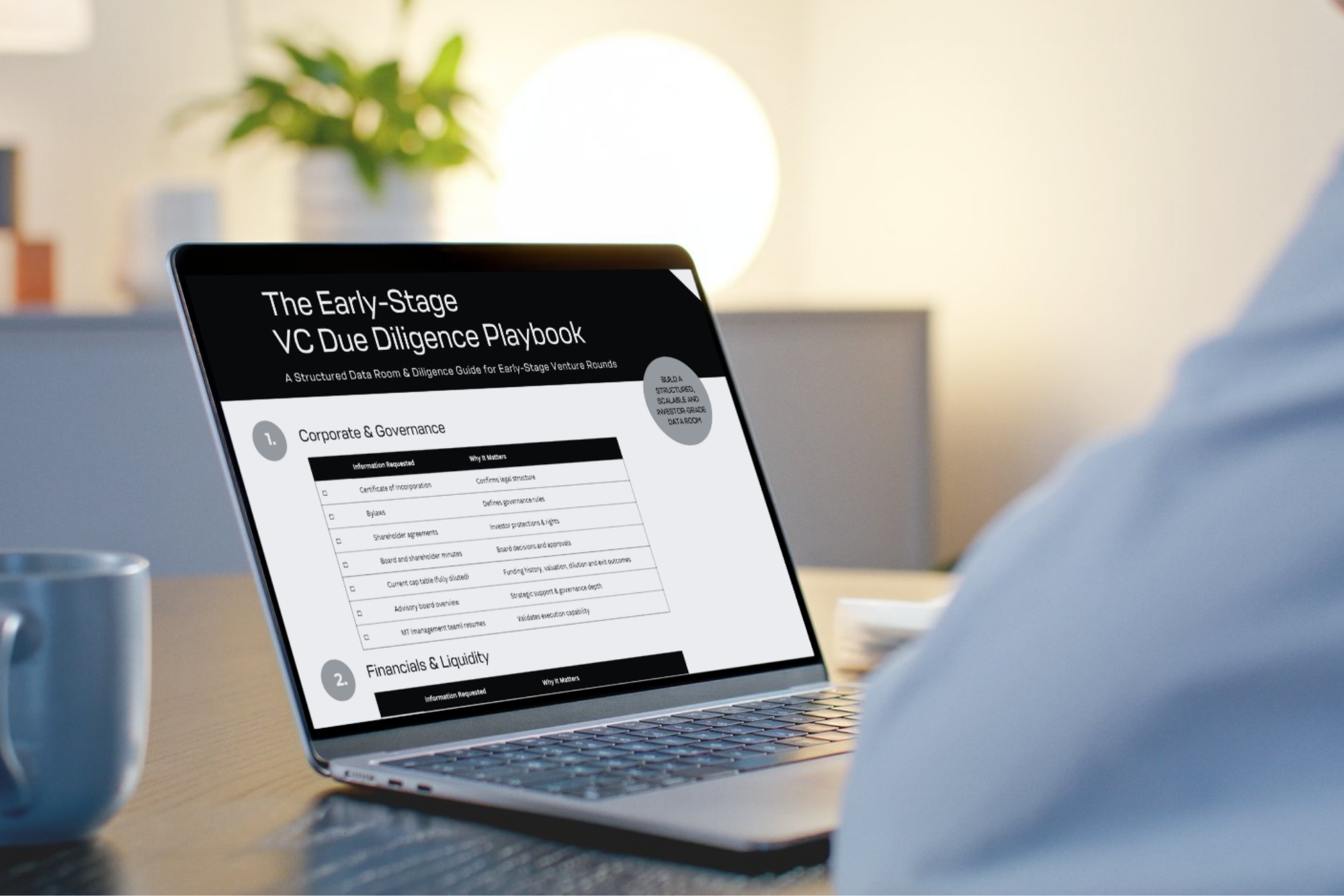
A strong data room wins rounds. Structure it in two phases, commercial and financial first, legal and structural second, and use a proper VDR with access controls, version tracking, and centralized Q&A. Cover all ten diligence areas: corporate governance, financials, financial model, tax, commercial, technology, IP, HR, legal, and sector-specific docs. Your financial model needs integrated actuals, driver-based logic, scenario analysis, and a clear use-of-funds plan. Due diligence isn't just for investors. It surfaces your own blind spots and sets the foundation for a strong post-close relationship. Be prepared, control the process, and make sure every number reconciles.
Investment decisions are not made solely on the basis of a pitch deck, but are grounded in a thorough due diligence process that examines the market, technology, management team, legal structure, and financial fundamentals. The objective is clear: to gain a deep understanding of the key aspects of the business and determine whether there is sufficient conviction to justify an investment.
In doing so, investors take a deep dive into topics such as risk, scalability, governance, financial maturity, and execution credibility. A well-executed due diligence process enables them to replace assumptions with evidence.
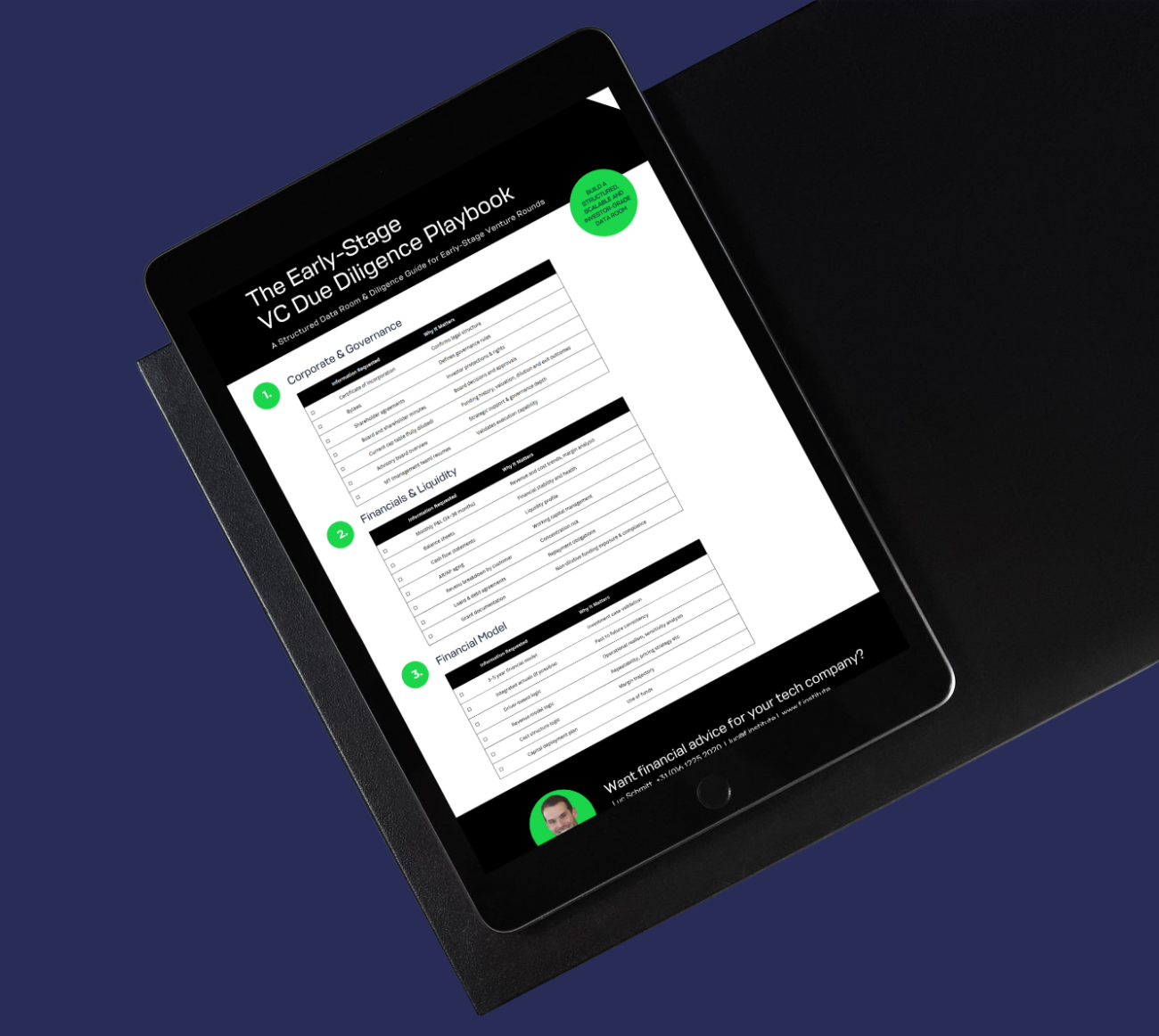
This guide is designed to help you build a structured, scalable and investor-grade data room, not just to close this round, but to set the tone for the period post-closing.
The Role of the Data Room
A data room is an essential resource for any startup raising capital. It contains everything an investor needs to understand your company’s history, performance and future plans.
When structured properly, it signals operational discipline, strategic clarity and governance maturity. An exhaustive and well-organized data room builds confidence. It reduces unnecessary back-and-forth, prevents friction and protects deal-making momentum.
On the other hand, poorly structured diligence slows rounds down. As with many aspects of scaling, preparation reduces friction downstream.
Why Diligence Is Also Valuable for Founders
A properly structured and thorough due diligence review is not only valuable for investors, it is valuable for the company.
Asking the difficult questions often reveals:
- Gaps in strategy
- Weak spots in financial structure
- Governance blind spots
- Areas where execution plans need refinement
At the same time, it can uncover opportunities that management may not have fully identified in strategic positioning, market messaging, pricing optimization, differentiation, or capital allocation.
This is where an experienced investor, working alongside well-selected advisers, can add real value even before the transaction closes.
By the time the investment completes, both parties have already:
- Identified strengths
- Acknowledged weaknesses
- Prioritised opportunities
- Agreed on a forward plan
That alignment allows management to execute immediately after closing, rather than spending months debating priorities.
When structured properly and led by an experienced VC, the due diligence process becomes the foundation of a strong founder-investor relationship.
Control the Process
Being prepared allows you to remain proactive in your interactions. It helps you:
- Set timelines instead of reacting to them
- Understand why specific information is requested
- Avoid circular information requests
- Maintain negotiation leverage
Make sure you understand what sits behind every question. When requests lack clarity, ask why. An unstructured process can drag a company in circles and disrupt fundraising momentum.
Before You Start: Data Room Strategy
1. Phase Your Data Room
You do not need to open everything on day one. A practical approach:
Phase 1 - Commercial & Financial Overview (CDD focus)
- Financial model
- Historical financials
- Cap table
- Revenue breakdown
- Key contracts
- Key market research
Phase 2 - Legal & Structural Deep Dive
- Full contract set
- Governance documents
- IP
- Employment documentation
- Loans & grant documentation
This keeps early discussions focused and avoids overwhelming investors.
2. Use a Proper VDR
Avoid generic file sharing tools. Although it might be tempting, ideally you do not use your general SharePoint environment for due diligence purposes. Better to invest early-on in a dedicated tool, and don’t run diligence from your email inbox too long.
A proper Virtual Data Room (VDR) provides:
- Controlled access rights
- Watermarking
- Version control
- Activity tracking
- Structured Q&A module
3. Intelligent Use of VDR Features
- Set access rights per folder, not per entire room.
- Create separate bilateral folders for specific investors if needed.
- Use consistent naming conventions.
- Upload PDFs, not editable working files.
- Track Q&A centrally, not in scattered email threads.
Core Due Diligence Checklist
Bilateral Requests & Q&A Best Practices
Bilateral Folders
Some investors request:
- Specific reference calls
- Additional modelling layers
- Sensitivity breakdowns
- Side analyses
Create separate bilateral folders instead of polluting the main room. This preserves structure.
Q&A Discipline
- Centralize all Q&A in the VDR module.
- Assign internal ownership per question.
- Respond consistently and fact-based.
- Avoid email fragmentation.
Final Readiness Check
Before opening the room:
- Are documents structured logically?
- Is naming consistent?
- Is sensitive data controlled?
- Can you respond within 24-48 hours?
- Does your financial model reconcile fully?
- Do facts and numbers reconcile across folders?